
deepseek harness
DeepSeek Harness Alpha.2: Worktrees and Upgrade Checks
DeepSeek-V4 Team · October 8, 2026 · 6 min read
Keywords: deepseek harness, DeepSeek Harness 0.2.1
Published: October 8, 2026 Author: DeepSeek-V4 Team

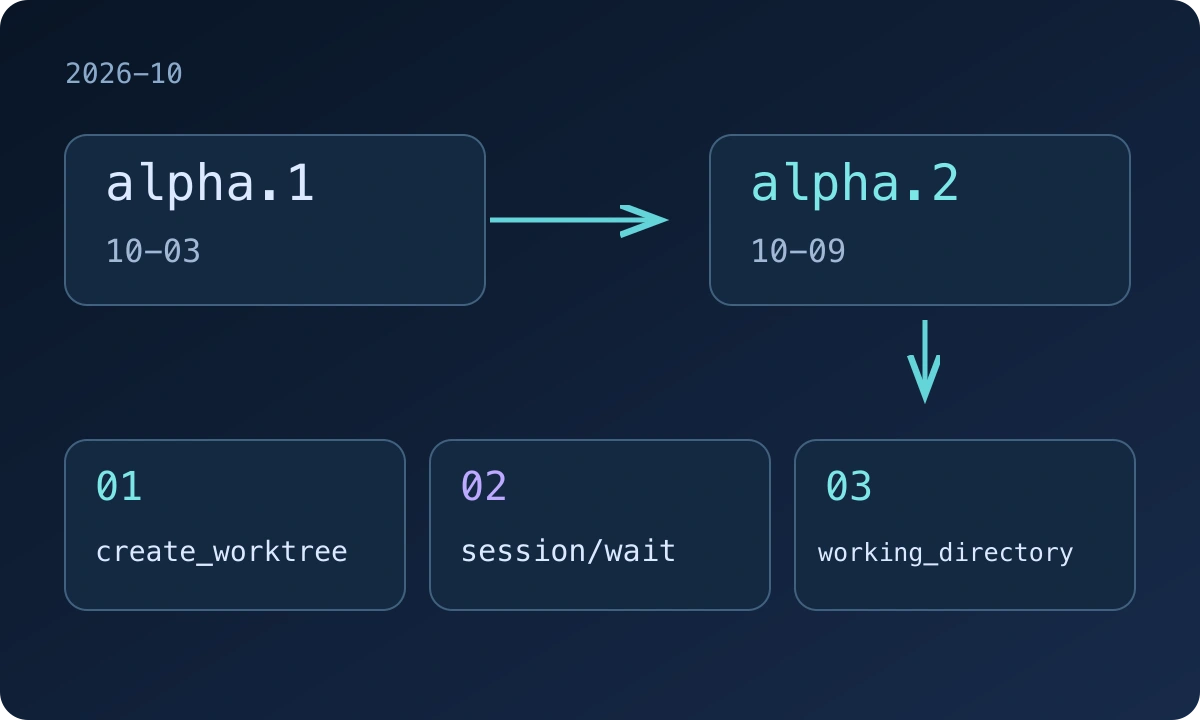
DeepSeek Harness dsh-v0.2.1-alpha.2, released on October 9, 2026, makes separate Git checkouts available to agents and changes several interfaces used by custom runtimes. For someone already using the October 3 alpha.1, the decision is fairly specific: do you need Worktrees, a particular reliability fix, or the newer SDK behavior?
This guide was first published for alpha.1 and now includes alpha.2. It draws on the official alpha.2 release notes and version-pinned documentation. The acceptance checks below are proposed checks for your installation, not a cross-platform benchmark or a claim that we ran the Harness desktop build.
Start with the change that affects your work
The new Git Worktrees plugin lets an agent create a branch and a separate checkout, then continue the session there. It is experimental and disabled initially. That makes it a useful candidate for a contained trial: let an agent edit a small documentation file away from your main working directory, then inspect the resulting diff.
Alpha.2 also adds experimental reasoning translation through a plugin. The release lists Bing and Google translation, plus a paid DeepSeek Flash option. This concerns the presentation of reasoning content; it is not a new base-model release or evidence of better reasoning accuracy. Evaluate the translation you actually read, including technical identifiers that should remain unchanged.
A third set of changes helps existing workflows: stalled response streams can reach an idle timeout, unreadable plugin metadata no longer blocks the entire request, and background tasks are less likely to be shown as interrupted simply because a parent turn finished. These are release-note claims. Reproduce your own failing case before declaring it resolved.
| Your situation | First thing to evaluate | Evidence to keep |
|---|---|---|
| Agent edits collide with local work | Git Worktrees | Directory, branch, baseline and diff |
| A background job appears interrupted | The same job after upgrade | Actual result and final task state |
| You maintain a custom SDK runtime | Migration requirements | Integration test and event handling |
| Your current workflow is stable | One small regression session | Same task, same expected result |
Worktrees separate files, not permissions
The alpha.2 Worktrees documentation describes a checkout created from a local Git revision. Dirty files in the original checkout do not travel with it. If an agent needs a change that exists only in your editor, opening a worktree does not make that change available.
The operation also retains the session's existing file policy. A new path is not a new security boundary and does not grant permission to write to otherwise restricted locations. Both the destination and shared Git administration directory must be writable under the existing policy.
Treat the returned path as something to verify before editing. The default pool lives beneath the current checkout, so starting inside an existing linked checkout creates a nested pool there. Leaving the directory retains both checkout and branch. Our Worktrees first-run guide walks through those decisions with a small reviewable task.
Custom integrations need a separate migration pass
The most consequential alpha.2 changes may be invisible in the normal interface. Subagent tools now return the child session ID immediately; custom SDK runtimes need to support session/wait. Code that treated the first result as completed work needs a new completion check.
The release also removes the both tool-presentation value, leaving native and ptc. Python PTC now uses the session filesystem sandbox; custom compositions must supply the sandbox and sandbox-policy services. These are configuration and lifecycle changes, not settings to replace indiscriminately in every file containing a matching word.
Agent Team messaging changes to direct delivery into the target Inbox. Custom plugins depending on the former outbox, automatic retries or resend deduplication need to be checked against the migration notes. A successful send followed by the expected recipient-side result is stronger evidence than the absence of an exception.
Finally, the shared agents directory accepts an AGENTS.md, with DSH_AGENTS_HOME available as an override. The release separately removes the per-row dshHome option for agent instructions in favor of the process-level DSH_HOME default. Keep those two settings distinct when reviewing an existing deployment.
A better task label still needs a result check
A corrected background-task display is useful because it makes failures easier to diagnose. It does not prove that the task's requested output exists. For a report-writing job, inspect the report; for a code change, inspect the diff and test result. Keep the displayed state beside that evidence.
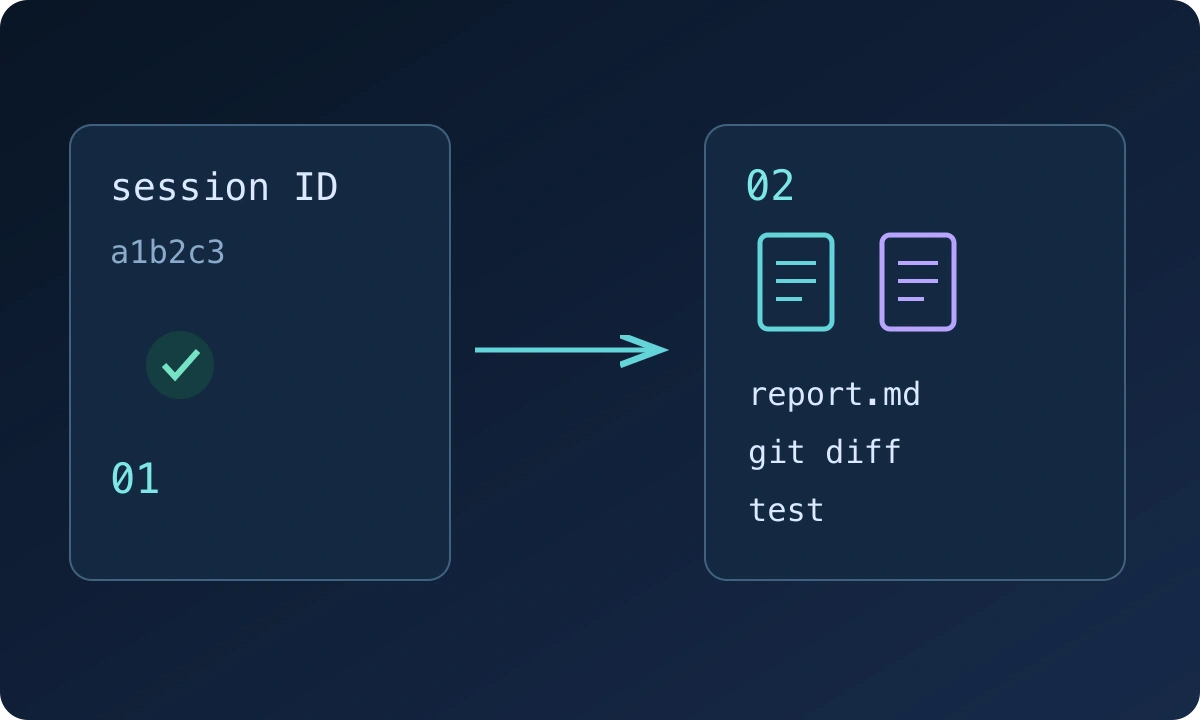
For example, a job can finish while writing a report to a different directory from the one you expected. A completed state and a missing file are compatible observations until you establish where the process ran. Alpha.2's working_directory tool and SDK directory operations make session location an explicit part of this investigation.
Existing scheduled workflows deserve the same treatment. Check reminder delivery separately from the work requested by the reminder. The automation acceptance tutorial covers that distinction; it remains relevant after the display fixes.
Keep alpha.1 changes in their original context
The October 3 alpha.1 release introduced the plugin-creation entry, built-in Web automation and experimental Claude Code Mods compatibility. Those are useful background for readers upgrading from an older build, but they are not October 9 additions.
If you maintain plugins, check both releases rather than skipping the earlier migration notes. Alpha.1 removed runtime invariant plugins and split composer statistics into activity and usage. Its installer also began reporting the installed version more clearly, including cases where release-age policy selected an older package. Requested version and installed version remain separate facts.
For an initial setup, start with the local quick-start guide. For plugin creation, use the Creator tutorial. Neither workflow requires treating every experimental feature as part of the same upgrade test.
Make the upgrade decision with one controlled session
Record your current Harness version and preserve the configuration and session data you rely on. Choose an ordinary task with a known expected result, then repeat it after upgrading. Only after that baseline works should you enable the experimental plugin you need or test the integration you changed.
For Worktrees, acceptance means a known commit, a new branch, the correct current directory and a reviewed diff. For an SDK integration, it means observing actual child completion and exercising the interfaces you use. If neither benefit matters to your work, the alpha label is a reasonable reason to keep the trial separate from your everyday setup.